
बुधबार, असोज ७ २०८३

Hany Ghanem,
General Manager-Best Western Plus Doha, Qatar
Qatar, Doha / Hany Ghanem has developed a close and meaningful relationship with the Nepali community in Qatar through his long experience in the hospitality industry. In this exclusive conversation, he discusses the growing contribution of Nepali professionals to Qatar’s hospitality sector, their career opportunities and challenges, and the importance of education and professional development. He also speaks about Best Western Plus Doha’s long standing relationship with the Nepali community, its support for major Nepali entertainment events, the role of Asiana Dohori Ghazal in bringing Nepali culture to Doha, and his personal connection with Nepali people and culture. Ghanem also shares his views on Nepal’s tourism potential and opportunities for stronger tourism and hospitality cooperation between Nepal and Qatar.
Before we begin, is there anything you would like to say to our readers in Nepal?
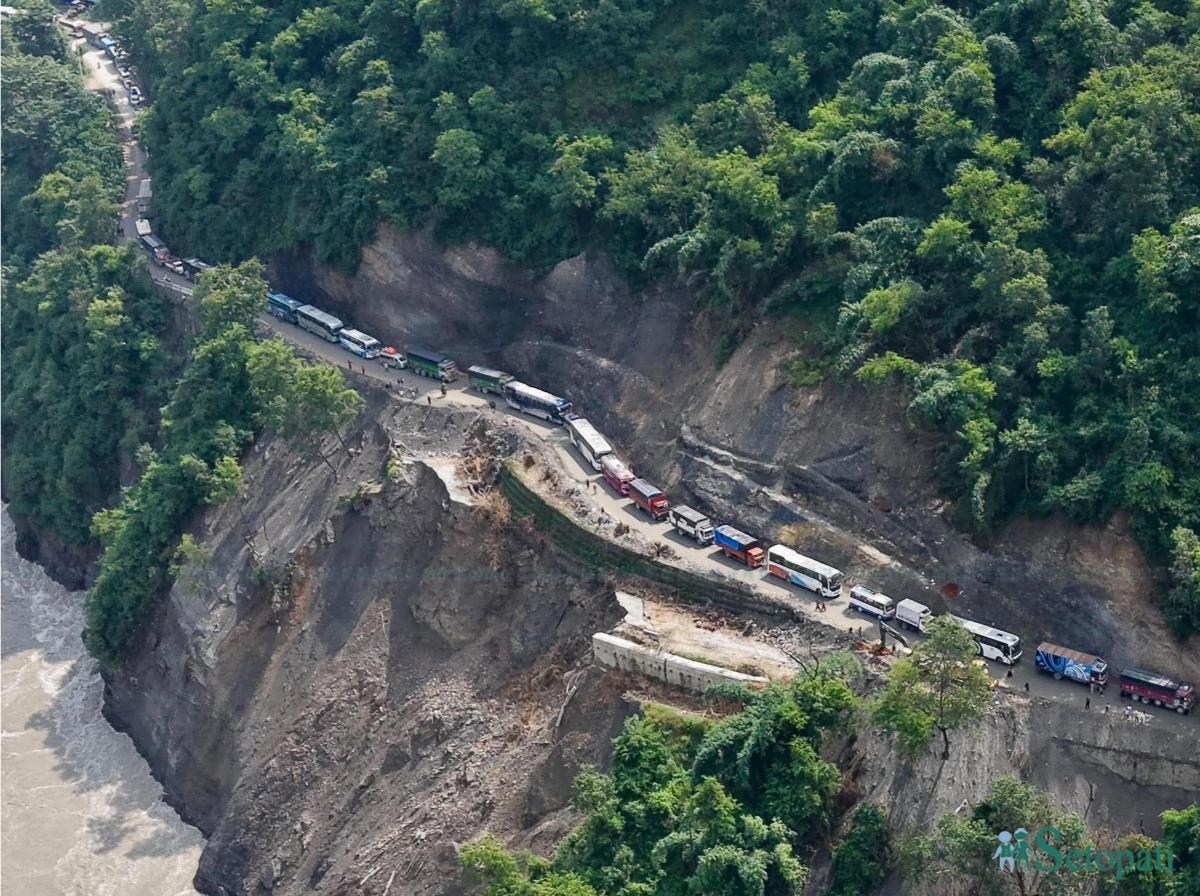
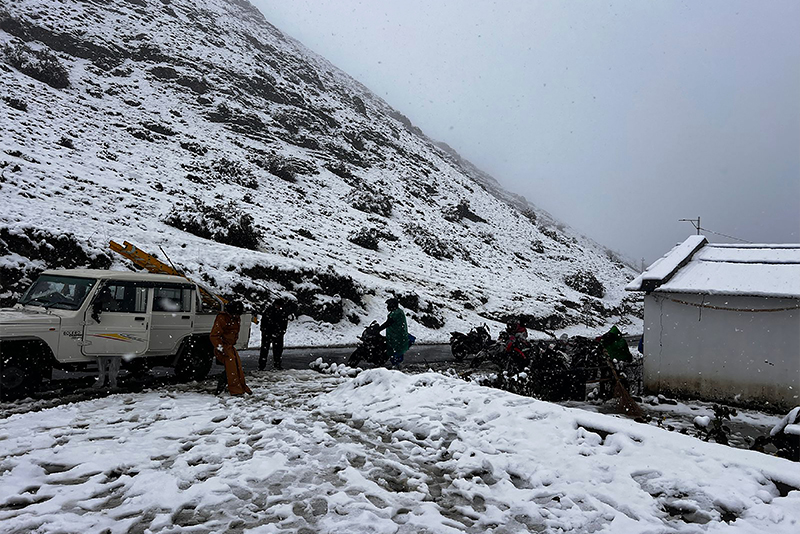
Before anything else, I would like to express my deepest condolences to the people of Nepal following this horrific natural disaster. My heart goes out to every family that has lost a loved one, to those who have been injured or displaced, and to everyone whose home, livelihood or community has been affected. Having lived and worked closely with the Nepali community in Qatar for many years, this tragedy feels very close to us. My heart and prayers are with the people of Nepal during this incredibly difficult time. I have always admired the strength, solidarity and resilience of the Nepali people, and today, more than anything else, I want them to know that their friends in Qatar stand with them.
As a hotel General Manager in Qatar, how do you view the contribution of Nepali professionals to the hospitality industry?
The contribution of Nepali professionals to the hospitality industry in Qatar has become increasingly significant.What has particularly impressed me is not simply the number of Nepalis working in hospitality, but how their role within the industry has evolved. Over the last five years especially, I have personally observed a noticeable shift. We increasingly see Nepali professionals across Front Office, Food & Beverage, Culinary, Housekeeping, Engineering, Security, Human Resources, Purchasing and many other areas of hotel operations. For me, hospitality is not simply about filling positions. It is about developing people and building careers.Today, Nepali professionals have become an important part of the talent pool supporting Qatar’s hospitality industry.

Why do you think there has been an increase in Nepali professionals working in Qatar’s hospitality sector?
I believe there are several factors. From an employer’s perspective, the overall employment package for many entry level and operational positions can be competitive within the market. However, I strongly believe compensation should ultimately be determined by the position, skills, experience and performance of the individual not simply by nationality. The second factor is the foundation. Many Nepali candidates entering hospitality already have a basic understanding of service and hospitality. They may not arrive knowing everything and nobody does. but there is often a foundation that employers can develop through training and experience. The third factor, and perhaps the one I value most, is their willingness to learn and grow. I have worked with many Nepali colleagues who genuinely want to develop themselves. They listen, they learn, they accept training, and many of them actively look for opportunities to take greater responsibility.
So, I think the important story is not simply that more Nepalis are entering hospitality. It is that more of them are beginning to build long-term careers within the industry.
Do you believe Nepali hospitality professionals are now moving beyond traditional operational roles into leadership positions?
Absolutely, yes. And I think this is one of the most encouraging developments we are seeing. Today, we are starting to see Nepali professionals progressing beyond traditional operational positions and taking on senior leadership roles. We are even seeing Nepali hotel General Managers, which is a very positive indication of how the professional profile of the community is evolving. I can see this within my own hotel as well. At Best Western Plus Doha, several important leadership positions are held by Nepali professionals. Our Head of Security, Head of Human Resources and Head of Purchasing are all Nepali.
These are significant positions of trust and responsibility involving people management, safety, compliance, procurement, cost control and important operational decisions. So, when we discuss the contribution of Nepalis to hospitality, I don’t think we should measure it only by how many people are employed.We should also look at where they are progressing. The transition from employee to supervisor, from supervisor to department head, and eventually from department head to General Manager is already happening. I believe we will see much more of it.

What does it take for more Nepali hospitality professionals to reach senior management and General Manager positions?
I think there are two sides to this question: one belongs to the individual, and the other belongs to the wider hospitality and education ecosystem. On the individual level, this is not really a Nepal-specific issue. It applies to anyone who wants to grow in hospitality. One of the biggest challenges is the comfort zone. You may become extremely good at your current job, but being excellent at one job does not automatically prepare you for the next one. If you want to grow, you have to deliberately step outside that comfort zone. Learn something outside your department. Improve your communication skills. Understand finance and budgeting. Learn about revenue management, sales, technology and digital systems. Develop your leadership skills. Ask for additional responsibilities. Most importantly, understand how the entire hotel works,not only your own department.
I always believe that you should start learning the skills required for your next position before you receive the title.
For someone who ultimately wants to become a General Manager, this is particularly important. A GM cannot understand only Front Office, F&B or Finance. You need a broad understanding of the entire business and, above all, you need to understand people.
The second part is about education and the hospitality ecosystem in Nepal.
Nepal is an extraordinary tourism destination with enormous potential. It already possesses something that many destinations spend billions trying to create: a globally recognized identity, remarkable natural beauty, rich culture and a genuine tradition of hospitality.
I believe there is a great opportunity to continue expanding hospitality education in Nepal through more specialized hospitality schools, universities, vocational institutes and internationally recognized training programs.
There is also tremendous value in strengthening cooperation between educational institutions and hotels so that students combine academic knowledge with genuine operational experience.
Ultimately, Nepal should not only be producing talented hospitality professionals for international markets. It has the potential to educate and develop those professionals at home and create future supervisors, department heads, General Managers and hospitality entrepreneurs.
The talent is already there. The opportunity is to continue building the education, exposure and professional pathways that can take that talent to the next level.
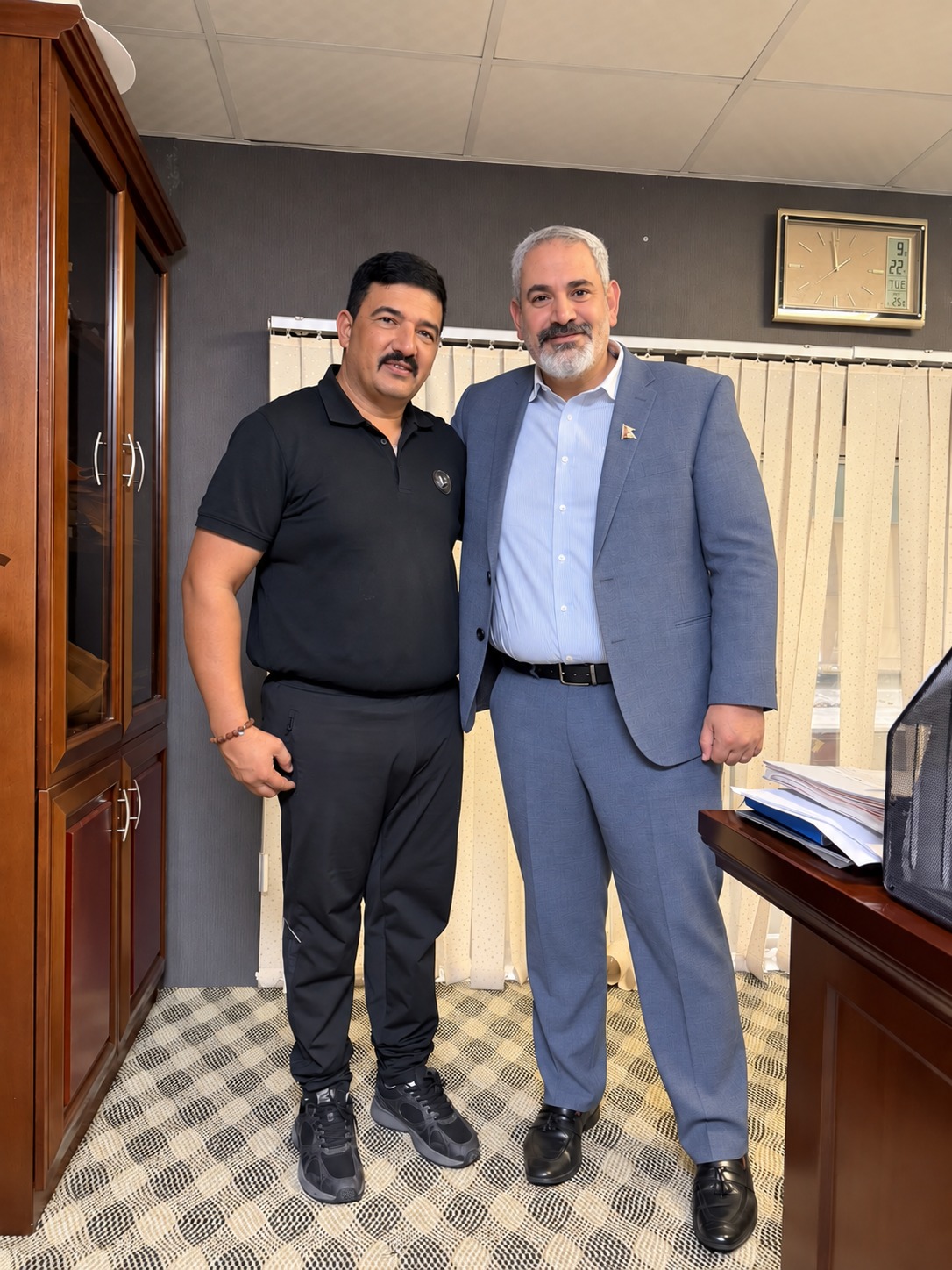
Best Western Plus Doha has developed a strong relationship with the Nepali community in Qatar. How did that relationship develop?
It developed naturally over many years, and I think that is what makes the relationship special.
Our connection with the Nepali community goes beyond the normal relationship between a hotel and a particular market or nationality.
We have had the privilege of supporting and sponsoring several major Nepali events in Qatar.
For example, we were involved in major events associated with Nepal Idol and The Voice of Nepal, and we had the pleasure of hosting participants and judges from these programs at our hotel.
These events mean a great deal to the Nepali community living abroad. They bring people together through music, culture and a shared connection with home.
We therefore never looked at these occasions simply as room nights or commercial events.
When a community living thousands of kilometres away from home comes together to celebrate its artists, music and culture, there is an emotional significance to that.
We are proud that Best Western Plus Doha has been able to play a part in those moments.
Your hotel is also home to Asiana Dohori Ghazal. What makes this concept special?
Asiana Dohori Ghazal is something very special within our hotel and within our relationship with the Nepali community.
What matters most to me about the concept is authenticity.
It has a 100% Nepali team, authentic Nepali cuisine and Nepali entertainment. The objective was never to create an international interpretation of Nepali culture. We wanted the experience to genuinely feel Nepali.
For anyone living away from their country, food and music can create an incredibly powerful emotional connection with home.
You can hear a familiar song or taste a dish you grew up with, and suddenly thousands of kilometres disappear for a moment.
That is what I like about Asiana.
I sometimes describe it very simply as a small piece of Nepal in Doha.
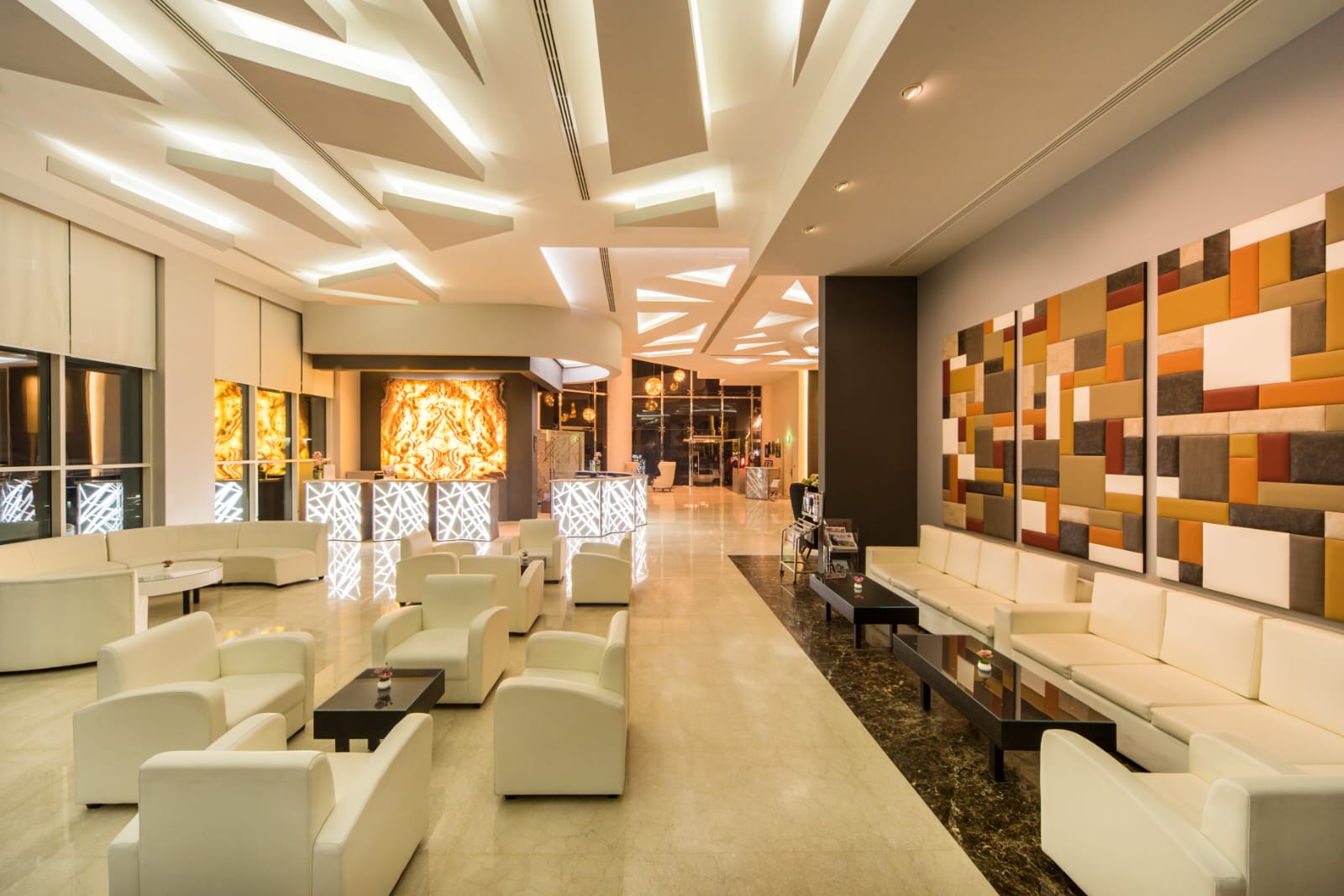
Your connection with the Nepali community also seems to be personal. How did that relationship develop?
Very naturally. Over the years, I have developed some very good friendships within the Nepali community in Qatar. I have also developed a warm relationship with members of NRNA and people involved in different community activities.
Through those friendships, I began learning much more about Nepal—not simply as a country or tourism destination, but through its people, traditions, food, music and culture.
Some relationships start professionally and gradually become genuine friendships. That has certainly happened with several of my Nepali friends.
And through those friendships, my appreciation for Nepal and its people has become much more personal.
You have worked with many different nationalities. Is there something about Nepali culture that has particularly touched you?
Yes. There is something I jokingly call my “Namaste Rule.”
One of the things that has touched me most about Nepali people is the respect they show to others.
Of course, every individual is different, and we should never generalize an entire nationality, but this is something I have personally experienced repeatedly in my interactions with Nepali friends and colleagues.
For me, Namaste represents more than a greeting. There is something beautiful in the idea of acknowledging the person standing in front of you with respect and dignity, regardless of their position or status.
I have seen that respect in the workplace, in friendships and in community gatherings. So, somewhere along the way, I started calling it my “Namaste Rule”: acknowledge people, respect them and treat them with dignity. It is something that has genuinely touched me.
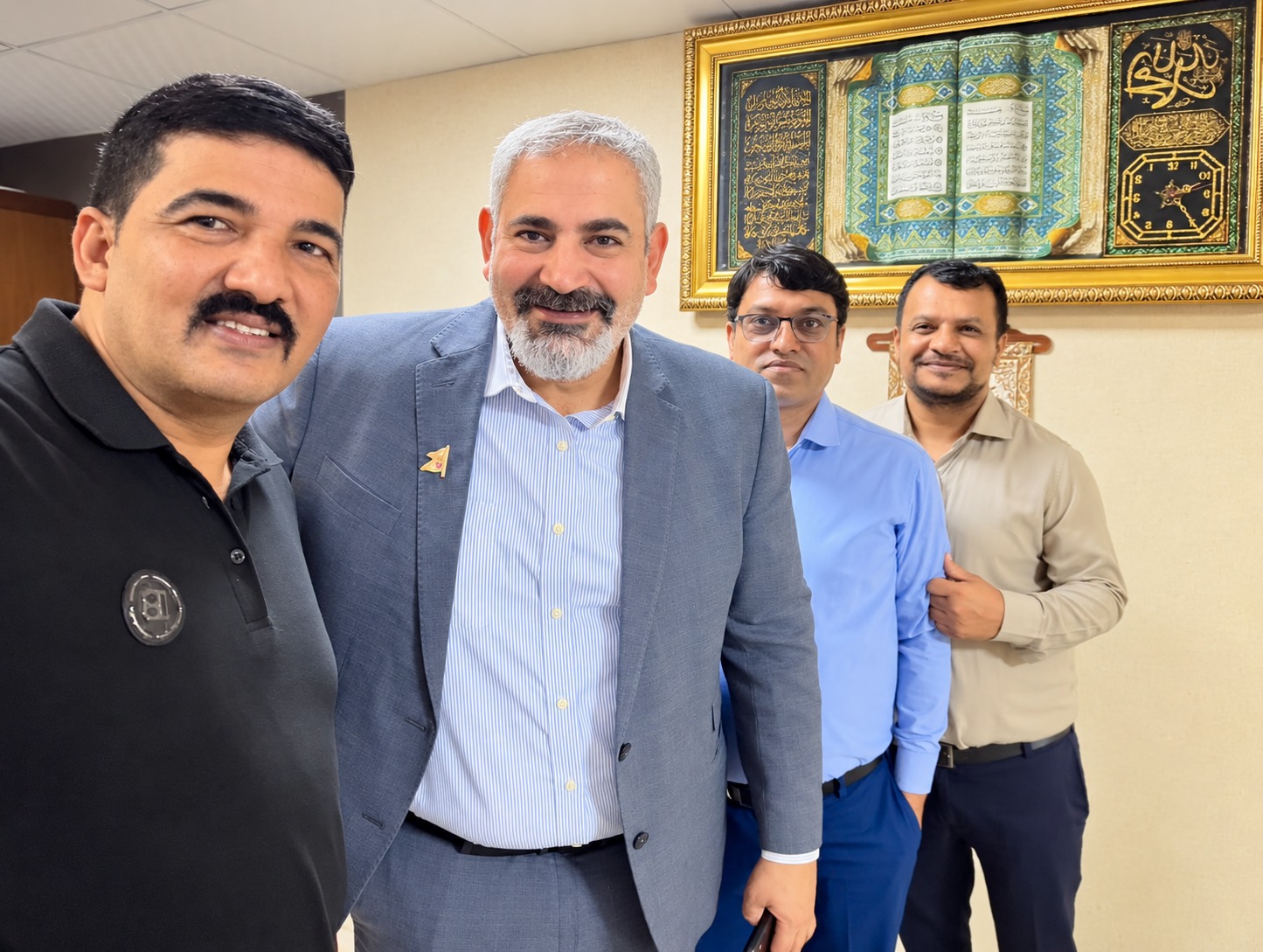
Through your friendships and interaction with the Nepali community, what have you personally discovered about Nepal and its culture?
What I have discovered is that you don’t necessarily need to visit a country first to begin understanding it. Sometimes you discover a country through its people.
Through my Nepali friends and my interaction with the community in Qatar, I have been introduced to different aspects of Nepal.its traditions, music, celebrations, food and, most importantly, the strong sense of community among its people.
I have also noticed how strongly Nepalis living abroad remain connected to their culture. You see it during community events, festivals, musical programs and even simple gatherings among friends. There is a real pride in maintaining that connection with home.
And, of course, food became part of that cultural discovery as well. I have become particularly fond of sukuti—something my Nepali friends know very well! Laughs.
But beyond the food and celebrations, what interests me most is the human side of the culture: the importance of family, friendship, community and respect.
Perhaps that is why I have developed such a genuine affection for the Nepali community. I didn’t learn about Nepal from a brochure. I learned about Nepal through Nepali people.
What advice would you give to young Nepalis who want to build an international career in hospitality?
My first advice would be: don’t look at your first position as your destination.
Your first job is an entry point into the industry. Use it to learn.
Be curious. Ask questions. Learn what happens in other departments. Improve your English and communication skills. Become comfortable with technology. Learn how hotels make money, not only how they operate.
If you work in Front Office, understand Housekeeping and Revenue. If you work in F&B, learn about costs and Finance. If you work in an operational department, try to understand Sales and Marketing.
The higher you progress in hospitality, the less your career becomes about performing one particular task and the more it becomes about understanding the whole business and leading people.
And don’t wait for somebody to give you a title before you start developing yourself.
Prepare yourself first. The opportunity will eventually come.
From your perspective as an international hotelier, how do you see Nepal’s potential as a tourism destination?
I think Nepal has tremendous potential. The fascinating thing is that Nepal already has an international tourism identity. Mention Nepal almost anywhere in the world and people immediately think about the Himalayas, Mount Everest, trekking and extraordinary landscapes.
That is an incredible tourism asset.
But I believe there is an opportunity to show international travellers that Nepal is much more than mountains.
There is culture, heritage, food, spirituality, adventure, wildlife and, most importantly, people.
From a hospitality perspective, the opportunity is to continue developing the infrastructure, education, service standards and tourism products that allow visitors to experience more of that diversity.
I would particularly like to see continued investment in hospitality education because tourism development and human capital development should go together.
If Nepal continues developing its hospitality professionals alongside its tourism infrastructure, I believe the potential is enormous.
Do you see opportunities for stronger tourism and hospitality connections between Nepal and Qatar?
Definitely, Qatar has developed into an important international aviation and tourism hub, while Nepal has a very distinctive tourism product and a large community living and working in Qatar.
That creates natural opportunities for stronger connections.
There can be greater cultural exchange, tourism promotion, hospitality training, professional development and cooperation between hospitality institutions.
There is also an opportunity to introduce more people living in Qatar—not only Nepalis—to Nepal as a destination.
Many people know Everest. Far fewer understand the full diversity of what Nepal can offer a traveller.
Building that awareness can create opportunities on both sides.
Finally, what message would you like to leave with the Nepali community in Qatar and the people of Nepal?
At this particular moment, my first message has to be one of solidarity.
My thoughts and prayers are with every family affected by this tragedy and with the people of Nepal during this very difficult period.
Over the years, I have had the privilege of knowing Nepalis as colleagues, hospitality professionals, community leaders and, most importantly, as friends.
I have received tremendous respect and friendship from this community.
That brings me back to what I call the “Namaste Rule.” To me, it represents something simple but powerful: acknowledge the person in front of you, respect them and treat them with dignity.
The Nepali community has shown me that respect and friendship for many years, and particularly at a difficult moment like this, I hope they know that the friendship and solidarity are returned.
I look forward to continuing our relationship with the Nepali community, supporting its cultural and professional activities and celebrating its achievements.
And I hope that very soon the conversation about Nepal can once again be about its beauty, its tourism, its culture, its talented people and, of course, its sukuti.
My heart and prayers are with Nepal.


© 2026 All right reserved | Site By : sobij

