
बिहिबार, असार १८ २०८३
Kathmandu — Millions of people of Nepali origin living across the world are seeking official recognition of their ancestral ties to Nepal—not Nepali citizenship.
The demand has been gaining momentum under the concept of People of Nepali Origin (PNO), which represents descendants of Nepalis who migrated abroad generations ago, long before Nepal introduced a formal citizenship system. Many of them now hold the citizenship of countries such as Myanmar, Thailand, Malaysia, Fiji and others, but have continued to preserve their Nepali language, culture, traditions and ancestral identity.
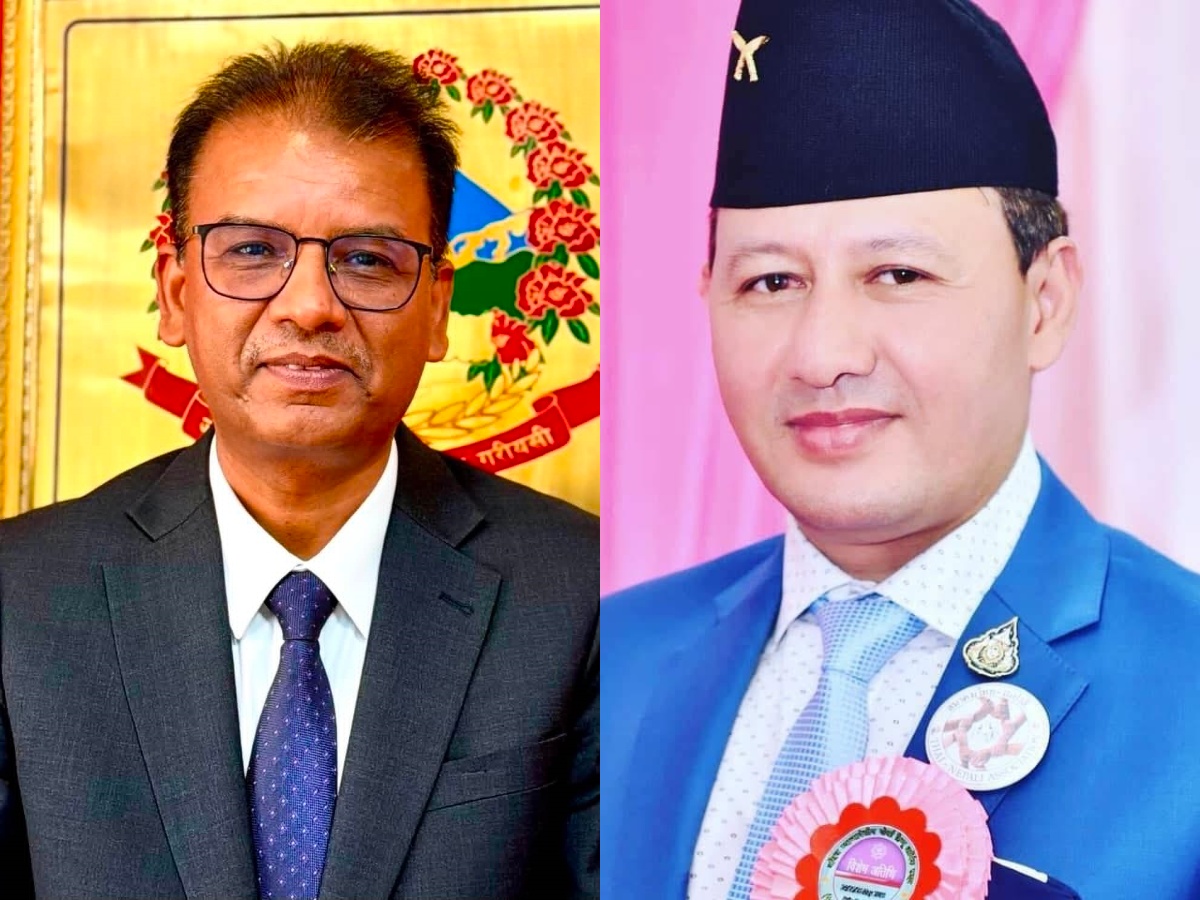
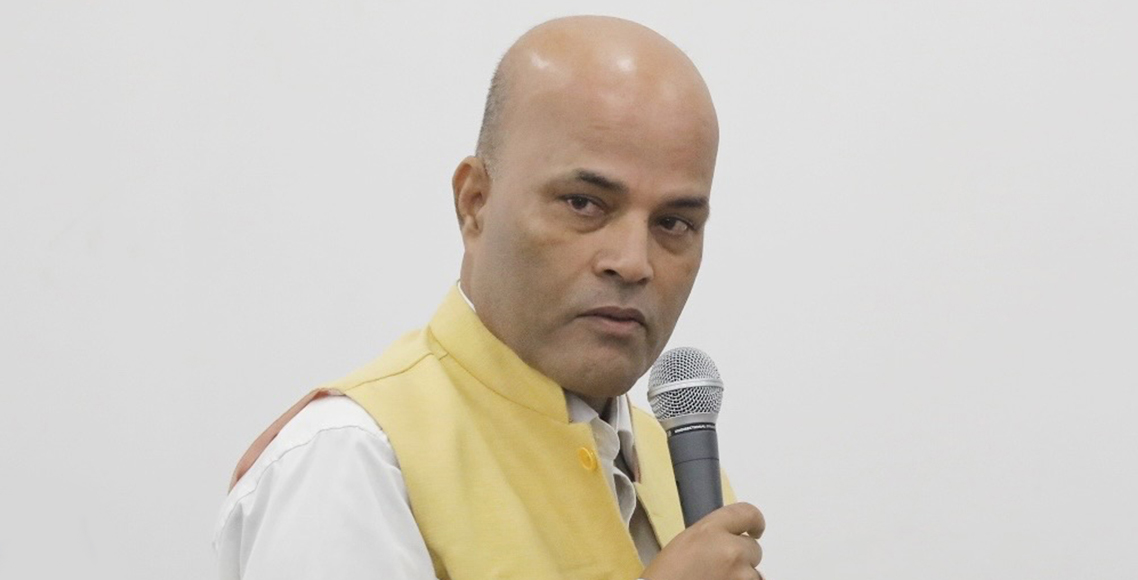
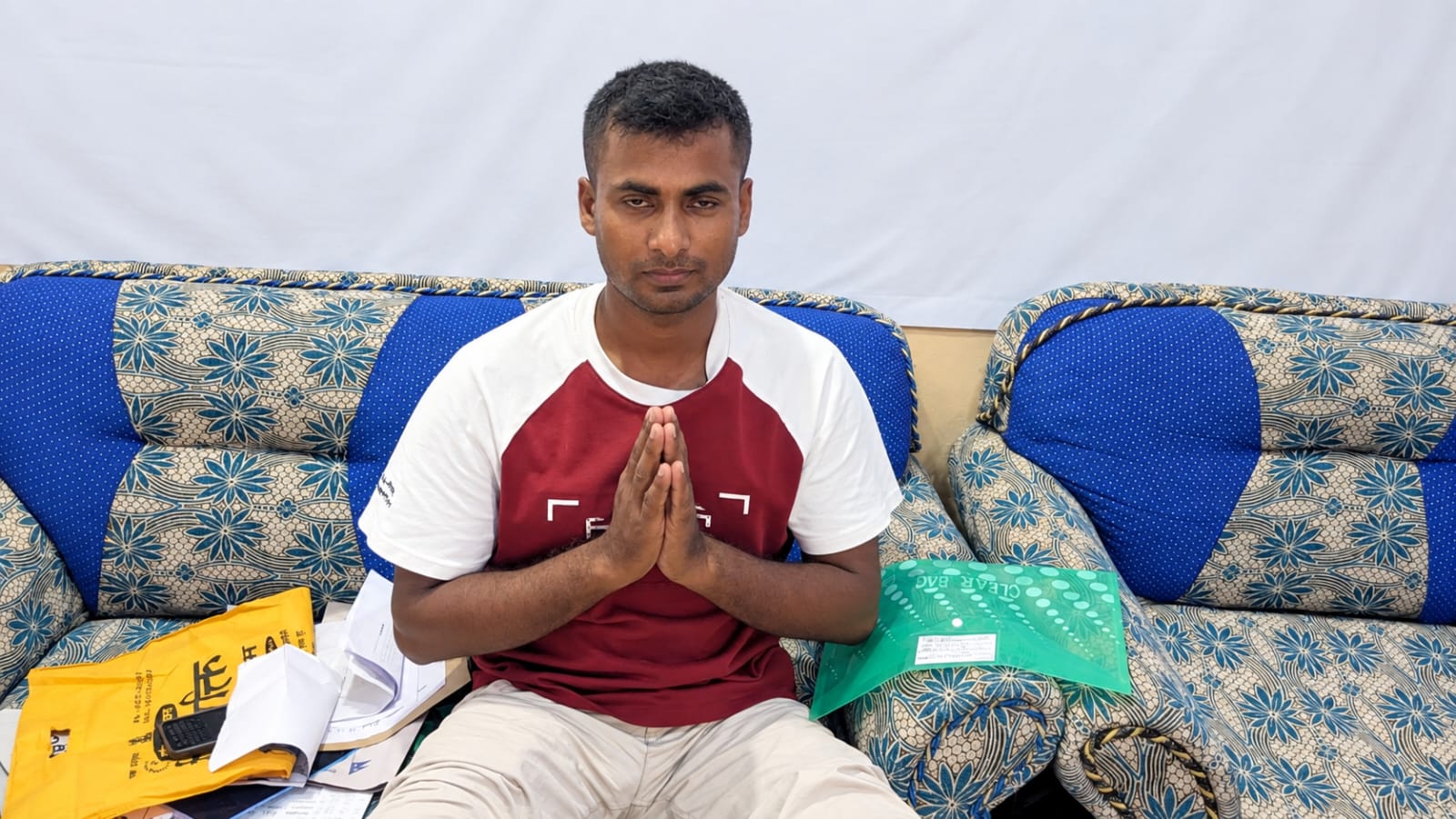
According to PNO campaign coordinator Kumar Karki, the existing legal framework governing the Non-Resident Nepali (NRN) community should be amended to clearly recognize people whose ancestors left Nepal before the country’s citizenship system was formally established.
He said the legal definition of PNO should include those who migrated from Nepal before the citizenship system came into effect, as well as their descendants who later acquired foreign citizenship or national identity documents.
Karki explained that thousands of Nepalis migrated to countries including Myanmar, Thailand, Malaysia and Fiji during and before the First and Second World Wars for employment, trade, military service and other reasons. At that time, Nepal did not have a systematic system for birth registration, citizenship or official documentation, making it difficult for many families to preserve documentary proof of their Nepali origin.
He noted that obtaining citizenship or identity documents in their countries of residence became a legal necessity rather than a personal choice.
According to Karki, many people of Nepali origin in countries such as Thailand and Myanmar were officially registered under local ethnic identities—including Mon, Karen, Tai Yai, Siamese, Lao, Khmer and other indigenous communities—instead of being identified as Nepali. However, despite these official classifications, they have continued to preserve Nepali language, culture, festivals, religious traditions, marriage customs, dress and social values over generations.
“Accepting local identity documents was a necessity, not a choice,” Karki said. “Therefore, people of Nepali origin who have lost official recognition of their ancestry should be eligible to receive an official Nepali Origin Identity Card based on verification and recommendation from Nepali community organizations and the concerned Nepali embassy.”
He emphasized that the PNO movement is not seeking Nepali citizenship.
“We are not asking for Nepali citizenship. We are only seeking official recognition that we are of Nepali origin. Such recognition will help preserve the bond between Nepal and future generations of our community,” he said.
The PNO campaign has urged the Government of Nepal to:
– Expand the legal definition of People of Nepali Origin to include descendants of Nepalis who left Nepal before the citizenship system was introduced;
– Officially recognize people of Nepali origin who have acquired foreign citizenship or national identity documents;
– Issue an official Nepali Origin Identity Card;
– Provide certain legal facilities related to entry into Nepal, education, investment, business, banking, healthcare and other areas as determined by Nepali law; and
– Establish a verification mechanism through Nepali community organizations abroad, the Non-Resident Nepali Association (NRNA), and Nepali diplomatic missions.
The Non-Resident Nepali Association (NRNA) has also prioritized the issue of preserving the identity of people of Nepali origin.
NRNA President Hem Raj Sharma said the organization considers it important to strengthen Nepal’s relationship with Nepali-origin communities scattered across the world. He stated that people whose ancestors left Nepal centuries ago but have preserved Nepali language, culture and traditions deserve recognition through an appropriate legal framework.
According to Sharma, provisions related to the recognition of People of Nepali Origin have also been incorporated into the organization’s post-unification policy agenda.
Nepal’s Ambassador to Thailand, Dhan Bahadur Oli, described the proposal as not merely an emotional issue but one that could significantly benefit Nepal economically, socially and culturally.
He said that if holders of a Nepali Origin Identity Card were granted easier access to Nepal for travel, education, healthcare, banking, business, investment, property ownership where legally permitted, domestic air travel and heritage tourism under provisions established by Nepali law, it could substantially boost Nepal’s economy.
“If People of Nepali Origin receive official recognition through an identity card, thousands of students could choose Nepal for higher education every year. Thousands of families would visit Nepal, significant investment could flow into the country, and many people of Nepali origin may even wish to spend their retirement in Nepal. This would generate economic activity in tourism, healthcare, education, banking, hospitality and other service sectors,” Ambassador Oli said.
He stressed that the PNO campaign seeks recognition rather than citizenship and therefore deserves serious consideration by the Government of Nepal.
According to campaign representatives, an estimated 500,000 people of Nepali origin live in Myanmar, while between 80,000 and 100,000 reside in Thailand, with substantial communities also living in Malaysia, Fiji and several other countries.
Although they are citizens of their respective countries, many continue to preserve Nepali language, religion, culture, festivals and ancestral traditions. They believe that an official Nepali Origin Identity Card would establish a formal legal connection with their ancestral homeland while strengthening people-to-people ties between Nepal and Nepali-origin communities worldwide.
Campaign leaders argue that such recognition would not only acknowledge historical realities but also encourage greater engagement in tourism, education, trade, investment, cultural exchange and social development, enabling millions of people of Nepali origin to become long-term partners in Nepal’s prosperity.



© 2026 All right reserved | Site By : sobij

